
Bellula
bellula
Vianney Castan and winemaker Florencia Stoppini make wines that are precise, fresh, and made for the table — sourced from carefully selected sites around Béziers in IGP Pays d'Oc.
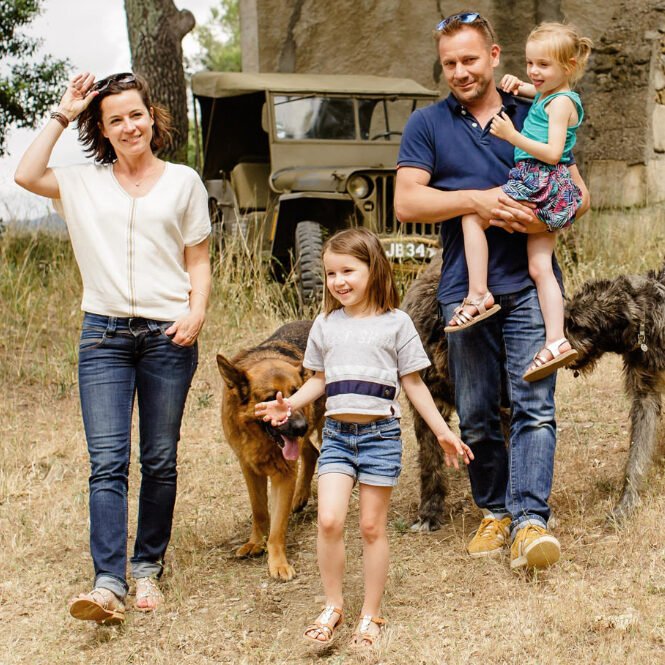
The Castan Family
Bellula started as a personal project, a collaboration between Vianney Castan and JP Bourgeois. Rather than working from a single estate, the wines are sourced from a network of trusted vineyard partners around Béziers, chosen for how they farm and how the sites express the character of the Languedoc.
Vianney approaches wine as a farmer first. His thinking is shaped by observation and adaptation — watching how a vineyard behaves across seasons, making decisions based on what the land is doing rather than a predetermined protocol. That thinking shapes every choice the Bellula team makes, from which growers they work with to how the wines are handled in the cellar.
Winemaker Florencia Stoppini brings a different kind of experience to the project. Originally from Argentina, she has worked in the US, Spain, and Australia before settling in the Languedoc. Her focus is precision, freshness, and drinkability
FARMING AND WINEMAKING APPROACH
Bellula works only with growers who farm with care and practical, experienced decision-making. There's no rigid ideology here — just close attention to vine health and fruit quality, and a willingness to adapt based on what the season demands.
In the cellar, the approach is straightforward. Fermentations happen in stainless steel with careful temperature control. Extraction is gentle. The goal across all three wines is the same: clarity, freshness, and fruit that reads as the place it came from.
VINEYARDS
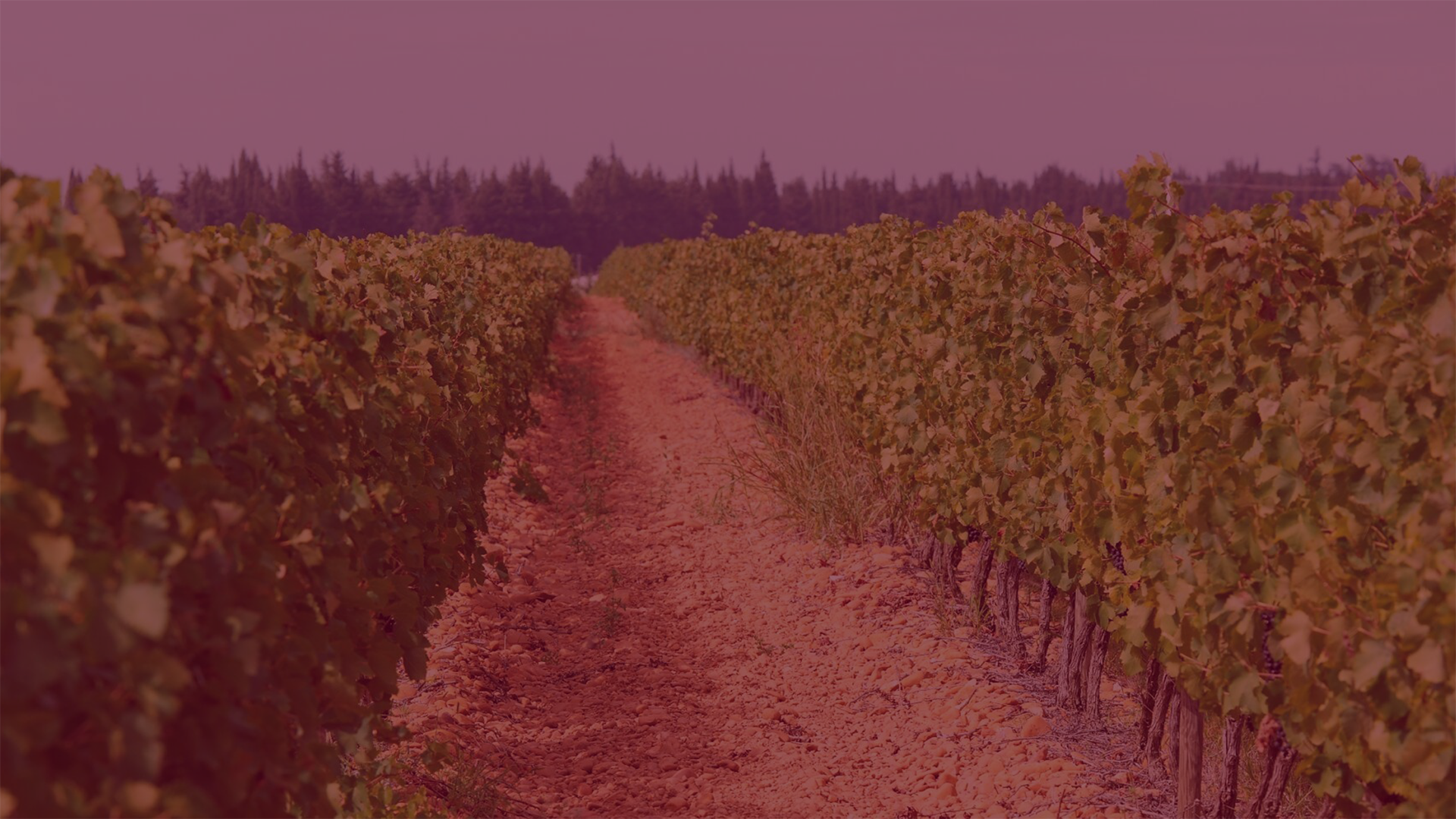
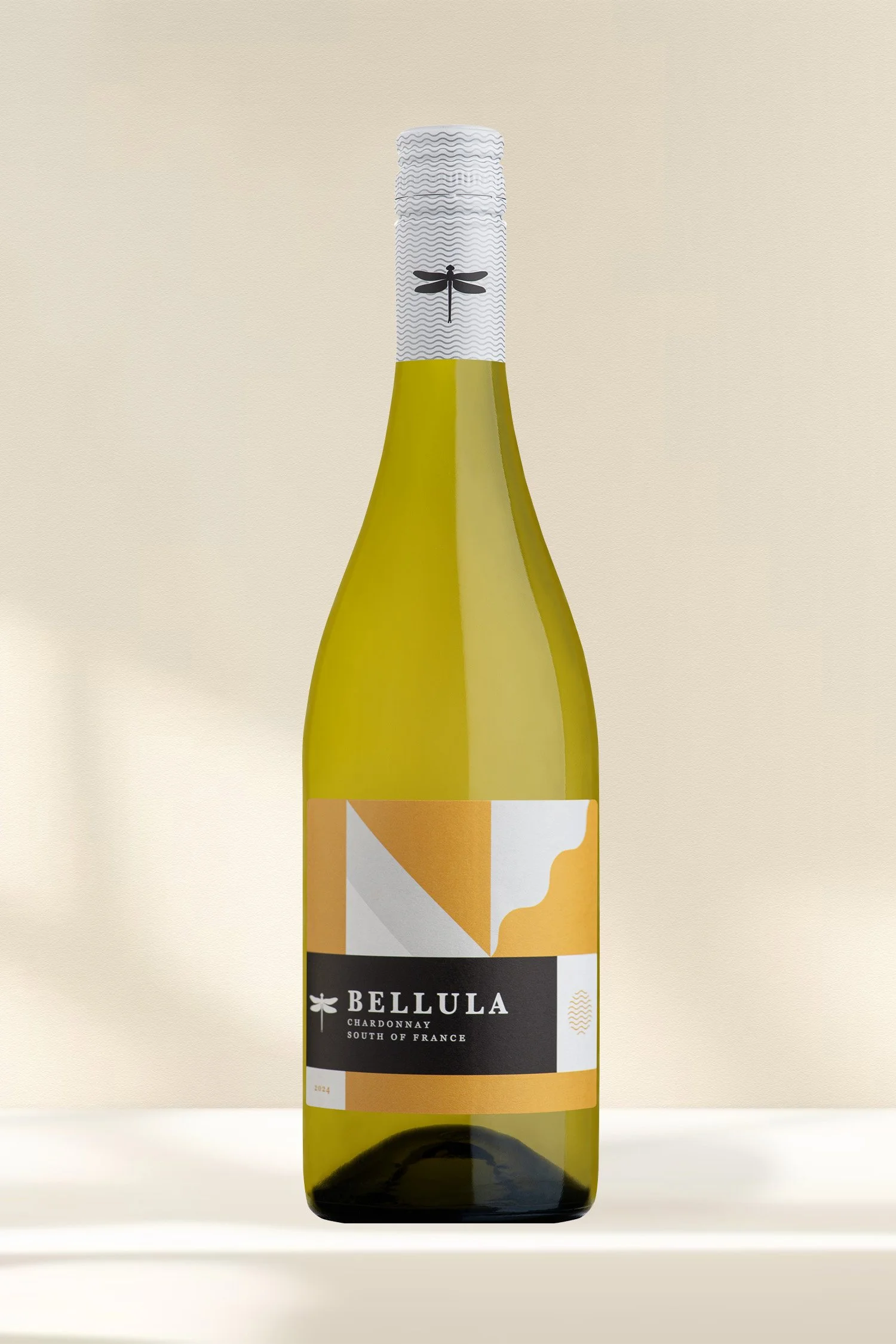
Chardonnay vineyards: Clay-limestone and limestone hillside sites with south and southeast-facing exposures. The drainage encourages even ripening; the aspect ensures full maturation. Vines average 15–25 years of age, planted at 3,500–5,000 vines per hectare.
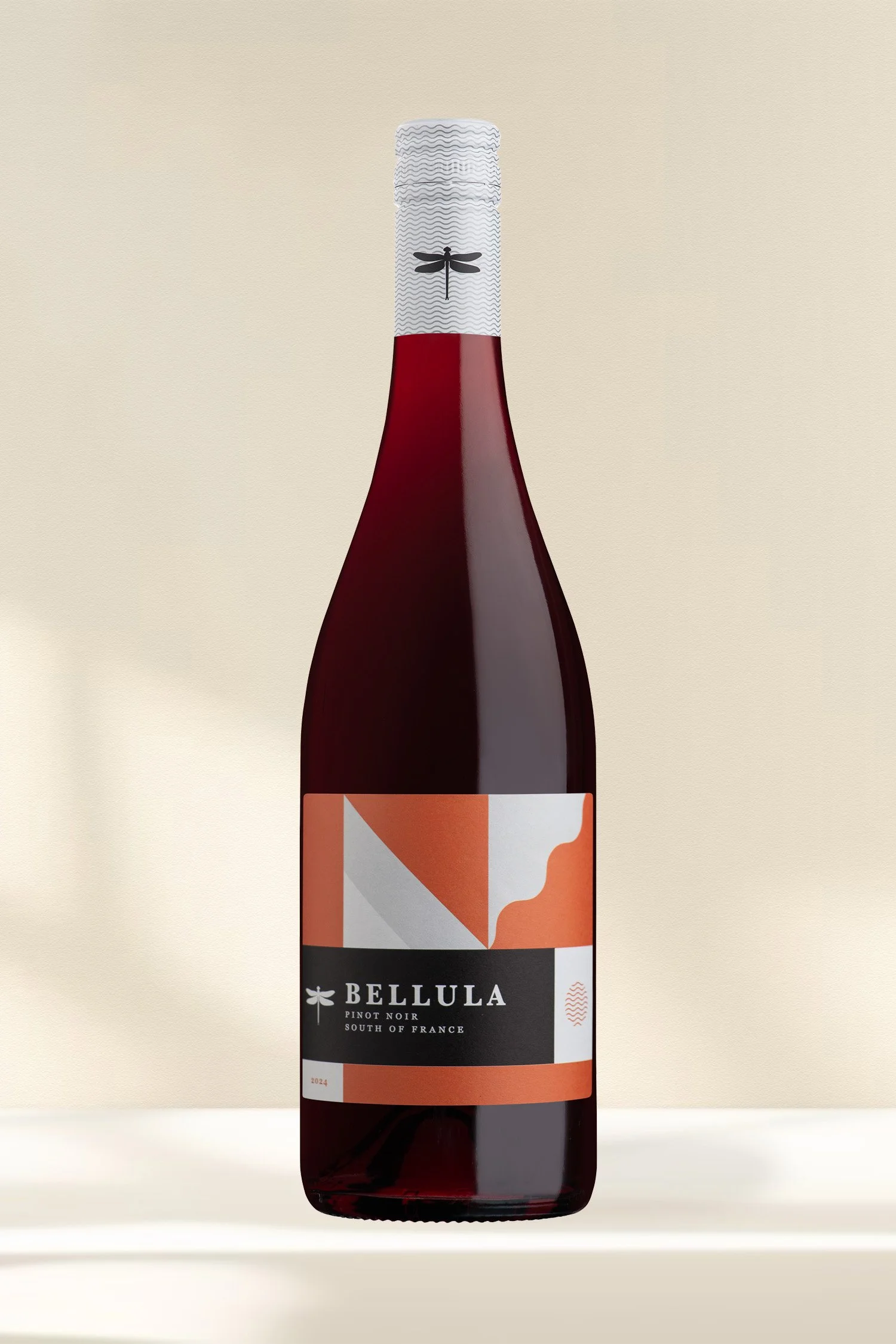
Pinot Noir vineyards: Clay-limestone slopes with north and northeast-facing exposures — unusual for the south of France. The orientation slows ripening and preserves acidity. Combined with significant day-to-night temperature variation, these sites produce Pinot Noir with more aromatic precision than the region typically delivers. Vines average 18 years, planted at 5,200 vines per hectare.
Rosé vineyards: Diverse soils — clay-limestone, limestone, alluvial deposits, rolled stones — across well-ventilated southeast-facing sites near Béziers. Vines average 15 years of age at 4,500 vines per hectare. Direct pressing with minimal skin contact, under two hours, preserves delicacy in both color and aromatics.
Bellula is available through K&N Wine Company. Contact us for wholesale pricing and availability.
PRODUCT DETAILS
Region: Languedoc, Pays d'Oc
Vintage: 2025
Varietals: 60% Syrah, 40% Grenache
Winemaking:
Direct pressing with minimal skin contact
Fermented 12 days in stainless steel at 14°C
ADDITIONAL DETAILS
Joint venture between Vianney Castan and JP Bourgeois
Consultant Winemaker: Florencia Stoppini
⬇ TECH SHEET