
Maison Antech-Limoux
maison antech-limoux
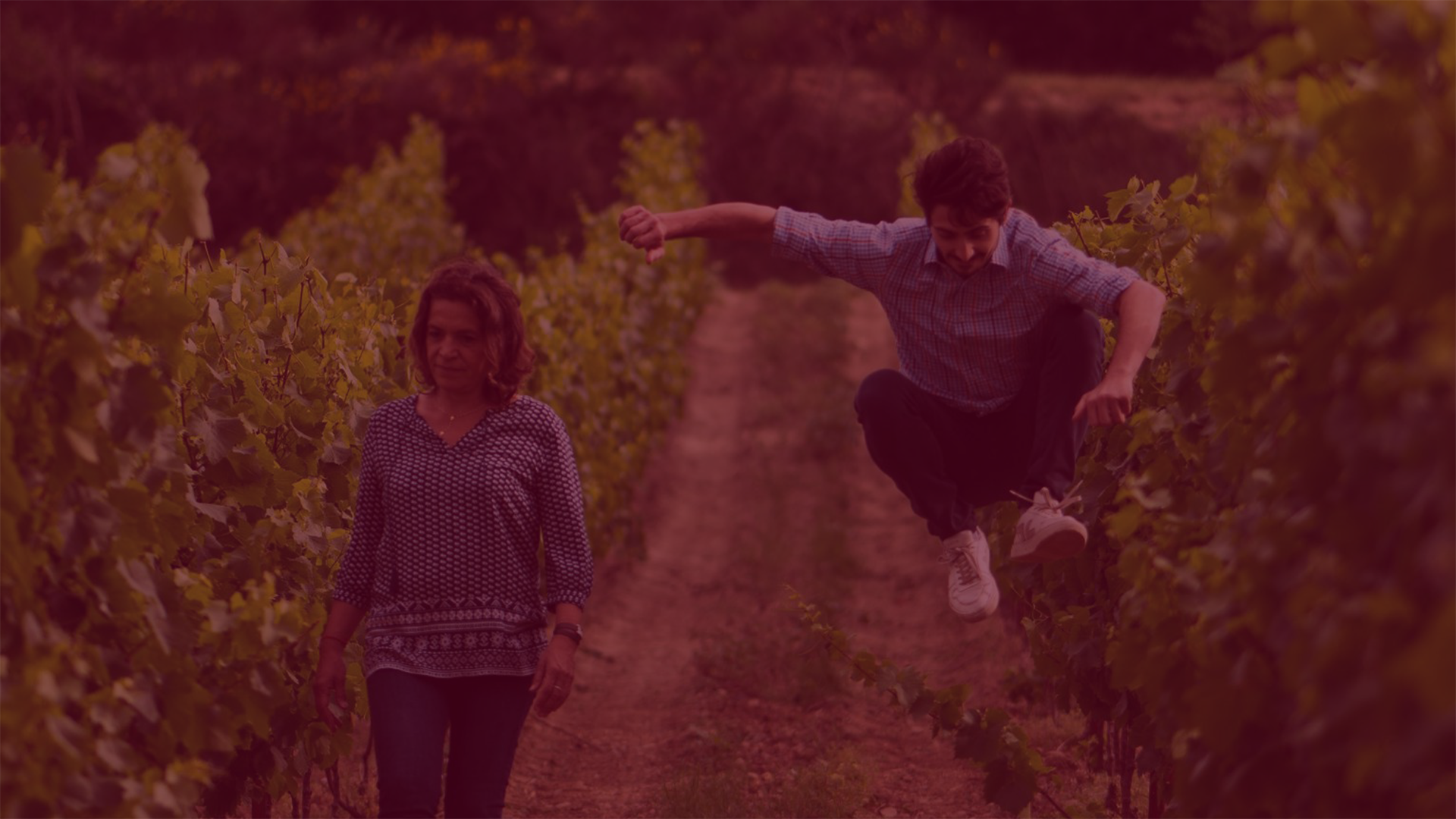
Seven generations in Limoux — the appellation that claims the oldest sparkling wine in the world, dating to 1531 at the abbey of Saint-Hilaire. Françoise Antech and her son Baptiste continue the family tradition.
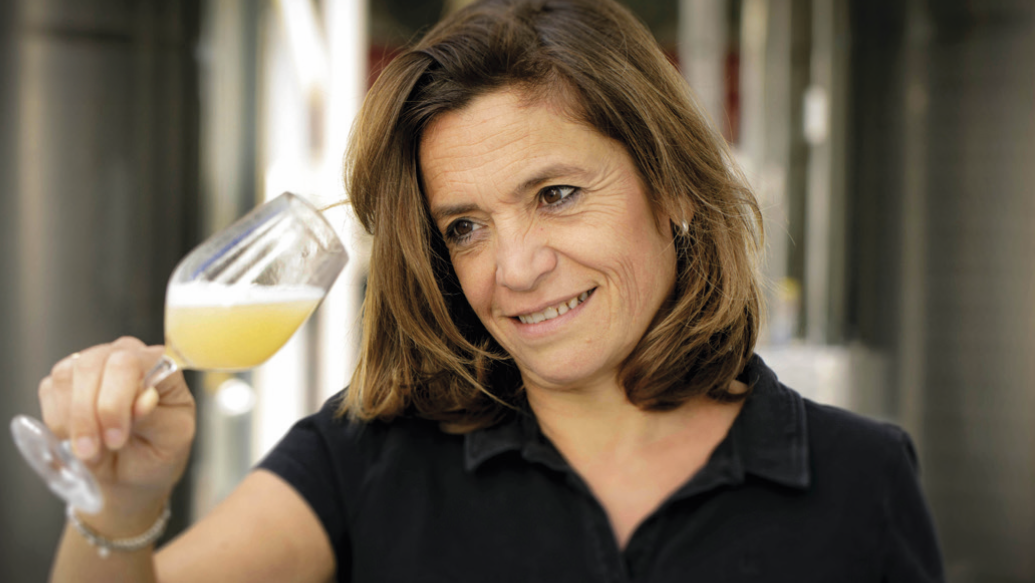
Winemaker, Françoise Antech
In 1531, a monk at the abbey of Saint-Hilaire sealed a wine called Blanquette before it had finished fermenting. The result — accidental or inspired, depending on who's telling it — was sparkling wine, predating Champagne by well over a century. Limoux has been making bubbles ever since.
The Antech family has been part of that story for seven generations. Since 1860, they've farmed the same hillsides outside Limoux in the foothills of the Pyrenees — calcareous clay soils at roughly 400 meters, where cool mountain air, strong winds, and significant day-to-night temperature shifts press freshness and tension into everything that grows there.
Women have been central to every generation of this house. Françoise Antech, who now runs the domaine alongside her son Baptiste, is the most recent in that line. She inherited both the vineyards and a very clear point of view: that Limoux makes serious sparkling wine, and that the world is still catching up to that fact.
FARMING AND WINEMAKING
The Antechs moved toward organic farming in 2020 — an evolution that's consistent with how they've always thought about the land. The hillside sites drain naturally, and the constant wind that moves through the valley means the vines stay dry without chemical intervention. Harvest is done entirely by hand.
In the cellar, each variety — Chardonnay, Chenin Blanc, Mauzac, and Pinot Noir — is vinified separately at low temperature to preserve what each brings from the vineyard. Extended aging on the lees, 24 months in stainless steel, builds complexity without stripping the freshness that defines the appellation. The Crémant Brut Rosé carries 8g/L dosage — enough to round the mousse, not enough to obscure the mineral edge underneath.
Mauzac, the indigenous grape that started the whole story at Saint-Hilaire, remains central to their farming philosophy. The family has worked actively to preserve it as surrounding producers have pulled it out in favor of international varieties.
VINEYARDS
The vineyards supplying the Clara Vie Crémant Brut Rosé sit on gently sloping hillsides of calcareous clay, 20–40 year-old vines at 650 feet elevation, in a climate that pulls from three directions at once: Pyrenean freshness from the south, Atlantic minerality from the west, Mediterranean warmth from the east. That three-way tension shapes every Limoux sparkling wine, including Clara Vie.

PRODUCT DETAILS
Region: Languedoc, Limoux
Vintage: NV
Varietals: 70% Chardonnay, 12% Chenin Blanc, 10% Mauzac, 8% Pinot Noir
Terroir: 20-40-year-old vines on calcareous clay hillsides at 650 feet elevation
Farming: Sustainable
Winemaking: Aged 24 months in stainless steel. Bottled at the winery
⬇ TECH SHEET