
Domaine Didier Raimbault
domaine
didier raimbault
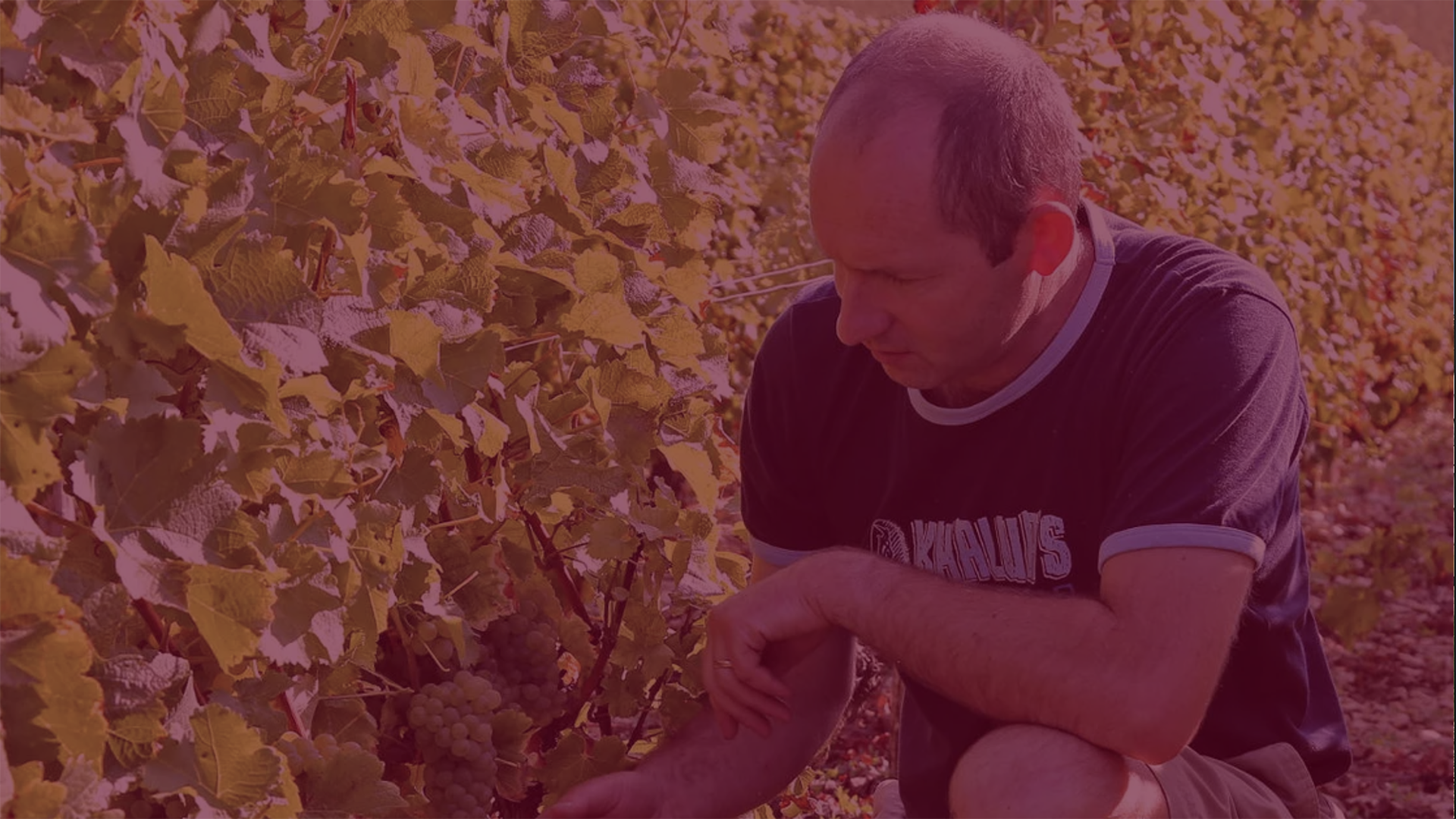
A family domaine in Verdigny, Sancerre. Roger Raimbault started with two hectares in 1960; his son Didier runs 17.5 today across 51 parcels in three communes.
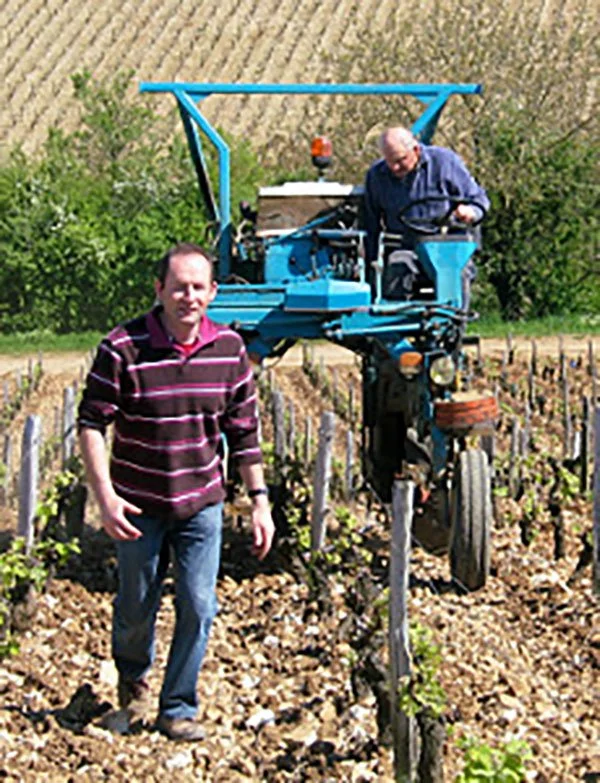
Winemaker, Didier Raimbault
The Raimbault family has been farming Sancerre for ten generations, based in the commune of Verdigny. Roger Raimbault built the modern estate gradually — two hectares worked by hand and horse in 1960, expanding through the sixties once mechanization made the steep slopes more manageable. By 1995, the domaine covered 7.5 hectares.
In 1996, Didier joined his father and acquired 6.5 hectares from an uncle who had retired, bringing the estate to its current size: 17.5 hectares across 51 separate parcels in Verdigny, Sury, and Vaux. The parcels sit between 200 and 400 meters, on slopes with inclines up to 40%, with exposures that vary significantly across the three communes.
FARMING AND WINEMAKING
Didier practices lutte raisonnée — treatments applied only when there's a documented risk of disease, not on a fixed schedule. Two-thirds of the vineyard is cultivated directly, with griffage used for weed management. The steepest slopes stay under grass cover to limit erosion. Fertilization is assessed, parcel by parcel, based on soil analysis.
The estate's soils split roughly two-thirds terres blanches (clay-limestone kimmeridgian marls) to one-third caillottes (stony limestone). Terres blanches produces wines with more structure that need time to open. Caillottes produces wines that are aromatic and accessible earlier. Most parcels carry vines averaging 30 years, planted at 6,800 per hectare and trained in single Guyot.
In the cellar: gentle pressing, 24–48 hour settling, three weeks of cool fermentation in stainless steel at 14–18°C, then 12 months on fine lees before bottling. Unfined, stabilized, lightly filtered. Annual production across the estate runs around 800 hectoliters.
VINEYARDS
Verdigny, Sury, and Vaux — Sancerre
Fifty-one parcels spread across three communes at 200–400 meters, with slopes up to 40% and varied exposures throughout. The mix of caillottes and terres blanches across those parcels means no two sections of the estate perform identically.
PRODUCT DETAILS
Region: Sancerre, Loire Valley
Vintage: 2024
Varietals: 100% Sauvignon Blanc
Terrior: 30-year-old vines on terres blanches and caillottes at 200-400 meters
Farming: Sustainable HVE3
Winemaking: Cool fermentation in stainless steel on fine lees. Unfined and lightly filtered
⬇ TECH SHEET